Music vs Chess: Which Activity Fits your Child’s Personality?
Jignasa Owner ·
A Complete Parent’s Guide
Jignasa World · Music & Chess Classes in Nallagandla, Tellapur & Lingampally · Ages 5–15
If you’re wondering whether your child should learn music or chess, there isn’t one universal winner. Music helps children to be creative, to listen, to remember and to express themselves. Chess helps them to concentrate, to plan, to solve problems and to make decisions. Which is better depends on your child’s personality, interests and the kind of learning they are naturally drawn to.
If you have been looking for chess classes for kids in Nallagandla , music classes in Nallagandla or just trying to figure out the best extracurricular activities for kids , this guide will assist you to understand what each activity actually involves – and which one may be a better fit for your child.
Music vs Chess: At a Glance
| KEY ASPECT | MUSIC | CHESS |
|---|---|---|
| Mainly develops | Creativity and self-expression | Strategic thinking and planning |
| Encourages | Listening and concentration | Focus and patience |
| Builds | Confidence and performance skills | Decision-making and problem-solving |
| Creative outlet | Strong | Moderate to strong |
| Logical thinking | Moderate | Strong |
| Self-expression | Strong | Moderate |
| Performance style | Recitals and showcases | Tournaments and competitions |
| Best suited for | Children who enjoy rhythm, sound and expression | Children who enjoy puzzles, strategy and challenges |
The important thing to remember is that music and chess are not competing skills.
A child can genuinely benefit from either — and some children may enjoy learning both. The right choice is usually the activity that matches your child’s interests and gives them a reason to keep coming back.
What Does Music Teach Children?
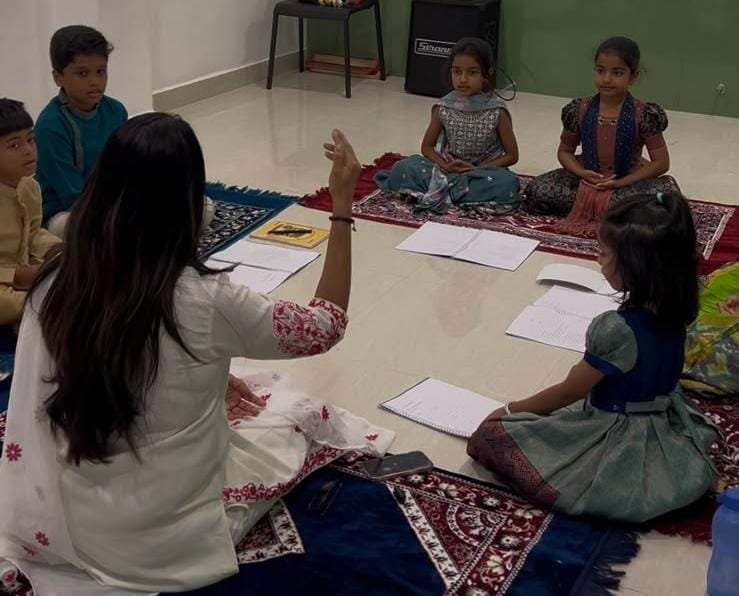
Music is much more than learning to sing a song or play an instrument.
When children learn music, they are practising several skills at the same time. They have to listen carefully, remember lyrics or notes, follow rhythm, coordinate their voice or hands and repeat what they have learned.
For example, imagine a child learning a new song.
The first time, they may forget some of the lyrics, lose the rhythm or struggle to follow the melody. With regular practice, they begin to remember the sequence, recognise mistakes and sing more confidently.
The child may simply feel that they are “learning a song,” but they are also practising memory, concentration, listening, coordination and consistency.
Music can also give children a comfortable way to express themselves. A child who may not always find it easy to explain how they feel through words may find expression through singing or playing an instrument.
Music may be a good fit if your child:
- Loves singing or making sounds and rhythms
- Enjoys musical instruments
- Is naturally expressive or creative
- Enjoys performing
- Likes listening to songs and music
- Responds well to repetition and regular practice
- Gets excited when they hear a favourite son
What can children explore through music?
Depending on the programme, children can explore different styles and instruments, from vocals to keyboard and guitar.
At Jignasa, children can explore Carnatic vocals through Sur Sadhana , led by Kalyan Vasanth, an AIR-graded Carnatic and light music vocalist.
Children can also explore instrumental music such as guitar and keyboard at jignasa, nallagandla mentored by Naren RK Siddarth, a Tollywood composer and founding member of the band Jammers.
The goal isn’t simply to teach a child how to perform a song. It is to give them a structured space where they can listen, practise, experiment, perform and gradually become more confident.
What Does Chess Teach Children?
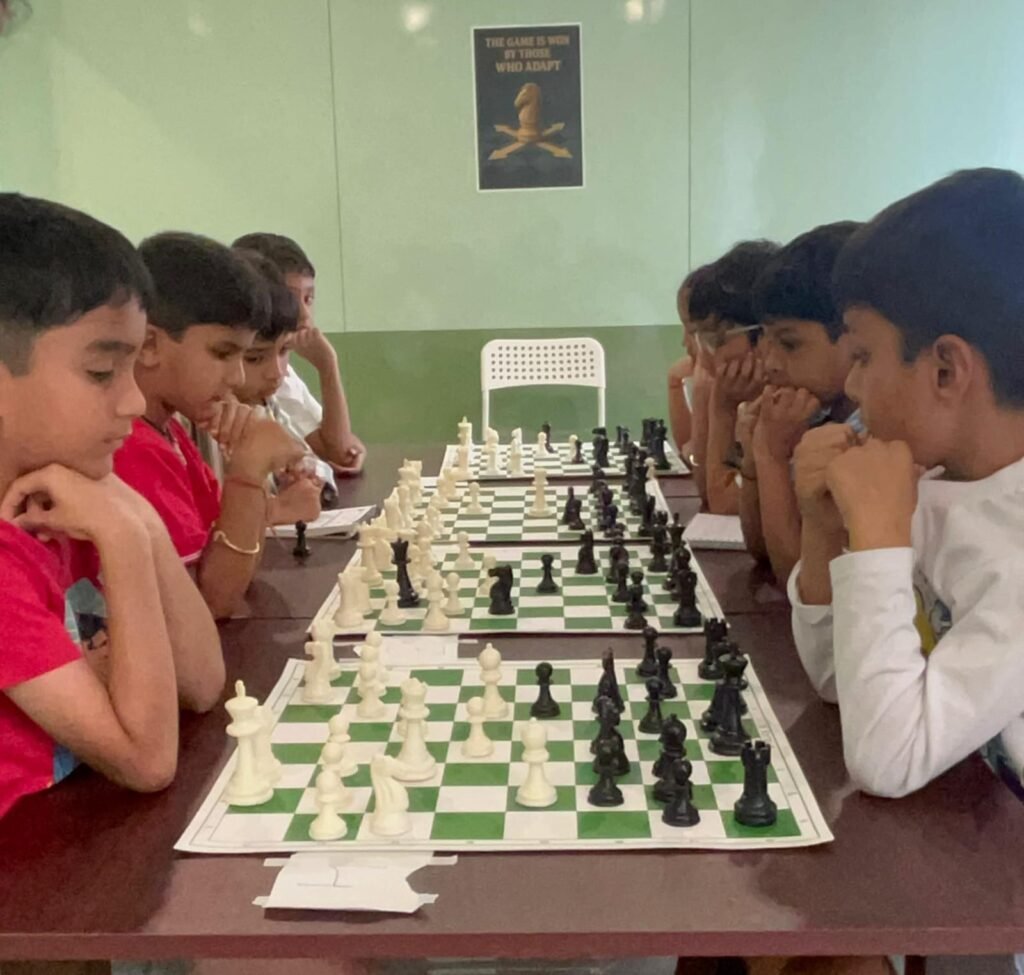
At its heart, chess is a game of decision-making.
Every move is a small problem for a child to solve.
Before they move a piece they should look at the board, understand what is going on, think of what their opponent might do and then decide which move makes the most sense.
For a child, that can look like:
Observe → Think → Consider options → Decide → Learn from the result
This is why chess for kids can be more than simply learning the rules of a board game.
With regular practice, children get repeated opportunities to develop concentration, patience, planning, problem-solving, strategic thinking and decision-making.
Chess also makes mistakes visible.
A child may make a move that doesn’t work. Instead of simply being told that they are wrong, they can look at the board and understand what happened. Over time, this can encourage them to think about their choices, learn from mistakes and try another approach.
Chess may be a good fit if your child:
- Enjoys puzzles and strategy games
- Likes solving problems independently
- Enjoys challenges that require patience
- Likes competition and structured activities
- Is curious about patterns
- Enjoys thinking about what could happen next
- Likes games where they have to make their own decisions
What can children learn through chess?
Children generally begin with the fundamentals — understanding the board, pieces and rule and gradually progress towards tactics, planning and more complex positions.
At Jignasa, chess is mentored by GM Lalith Babu , India’s 26th Grandmaster.
This gives children an opportunity to learn not only the fundamentals of the game but also how an experienced player approaches positions, decisions and challenges.
Which Builds Better Focus?
Both music and chess can develop focus, but they require children to focus in different ways.
In music, concentration may mean listening carefully to rhythm and melody, remembering a sequence and coordinating the voice or hands while performing.
In chess, concentration means studying the board, noticing possible threats, considering different moves and staying with a problem until a decision is made.
Think of the difference this way:
- Music: Listen → Remember → Coordinate → Perform
- Chess: Observe → Think → Plan → Decide
What If My Child Likes Both Chess and Music?
Music encourages artistic creativity.
Chess encourages strategic creativity.
Both allow children to think creatively — they simply use that creativity in different ways.
Then they don’t necessarily have to choose.
Music and chess can complement each other because they offer very different learning experiences.
Music gives a child a creative and expressive outlet. Chess gives them a structured environment for problem-solving and strategic thinking.
A child could, for example, attend a music class on one day and chess class on another.
The important thing is to make sure the overall schedule remains manageable.
Extracurricular activities should give children opportunities to explore, practise, learn and enjoy themselves — not turn every evening into another school timetable.
If your child genuinely enjoys both, there is no reason they cannot learn both.
Frequently Asked Questions
Is music good for shy children?
Is chess suitable for beginners?
Can a child learn both chess and music?
Is chess better than music for children?
Where can I find chess and music classes for kids in Nallagandla?
Ready to Find the Right Activity for Your Child?
The goal isn’t simply to fill your child’s timetable.
It is to give them a place where they can explore, practise, make mistakes, discover what they enjoy and gradually grow in confidence.
Whether that happens through music, chess or both, the right activity is the one your child feels excited to return to.
If you’re still deciding which activity may suit your child, you can also explore our guide to choosing extracurricular activities for kids.
💬 Book a Free Demo Class at Jignasa World, Nallagandla, and let your child experience it for themselves.
Jignasa Activity Centre · Nallagandla, Hyderabad.
Music Classes · Guitar Classes · Keyboard Classes · Chess Classes · Kuchipudi Dance · Public Speaking · Arts Club · Theatre classes